News, Views and Industry Tips
For many music teachers, the idea of growing a school brings a quiet concern: will this start to feel less personal? When you’re used to knowing every student, remembering their challenges, and celebrating their small wins, growth can feel like a compromise. There’s often an assumption that more students automatically means less attention, less connection, and a more “standardised” experience. But in reality, it’s not growth that removes the personal touch - it’s a lack of structure to support that growth. Personalisation isn’t about trying to hold everything in your head or relying on memory alone. It’s about creating consistent ways to understand and support each student’s journey over time. Regular communication, structured feedback, and access to the right resources ensure that students and parents feel seen not just occasionally, but as part of an ongoing process. When these elements are built into how you operate, personalisation becomes something that is delivered reliably, rather than something that depends on how much time or energy you have in a given week. For many solo teachers, personalisation works well at the beginning because it’s manageable. But as the timetable fills, things often become more reactive. Messages are sent when there’s time, feedback becomes less consistent, and it becomes harder to track each student’s development in a structured way. The intention to provide a personal experience is still there, but without systems, it becomes increasingly difficult to maintain that standard across a growing number of students. When done well, growth can actually strengthen the personal touch rather than dilute it. It allows you to move from trying to remember everything to having a system that ensures every student is supported consistently. The experience becomes more structured, more visible, and ultimately more meaningful for both the student and the parent not because you’re doing more, but because what you do is supported in the right way. If you’ve been thinking about teaching music but don’t want to go it alone, we’d love to support you. Our franchise gives you everything you need to start strong and grow with confidence. Let’s chat about what’s possible: https://www.keysoundsmusic.com/contact

Many music teachers build something that works - until it doesn’t. A full timetable, a steady flow of students, and a busy schedule can look like success from the outside. But behind the scenes, it often comes with constant adjustments: chasing cancellations, navigating last-minute changes, and managing income that doesn’t always feel predictable. Over time, this creates a sense of pressure that isn’t always visible, but is very much felt. These patterns can quietly become normalised. Working late evenings, filling weekends, hesitating to increase prices, and adapting to every request can start to feel like part of the role. But this isn’t sustainability, it's a model that relies heavily on the teacher constantly holding everything together. It works in the short term, but it doesn’t create the stability or clarity needed for long-term growth. Sustainable teaching looks different. It’s built on clear expectations, professional (yet kind) boundaries, and systems that reduce the constant mental load. Instead of reacting to each situation as it arises, there are clear processes in place that support both the teacher and the student. Rescheduling becomes structured rather than stressful, communication becomes consistent rather than reactive, and income becomes more predictable because the model itself is more stable. The biggest shift is not just in how things operate, but in how it feels to teach. When your teaching is sustainable, there is more mental clarity, more confidence in your decisions, and a stronger sense of progress over time. Instead of feeling busy but stuck, you begin to feel in control with a structure that supports your work, your wellbeing, and your ability to continue growing without burning out. If you’ve been thinking about teaching music but don’t want to go it alone, we’d love to support you. Let’s chat about what’s possible: https://www.keysoundsmusic.com/contact
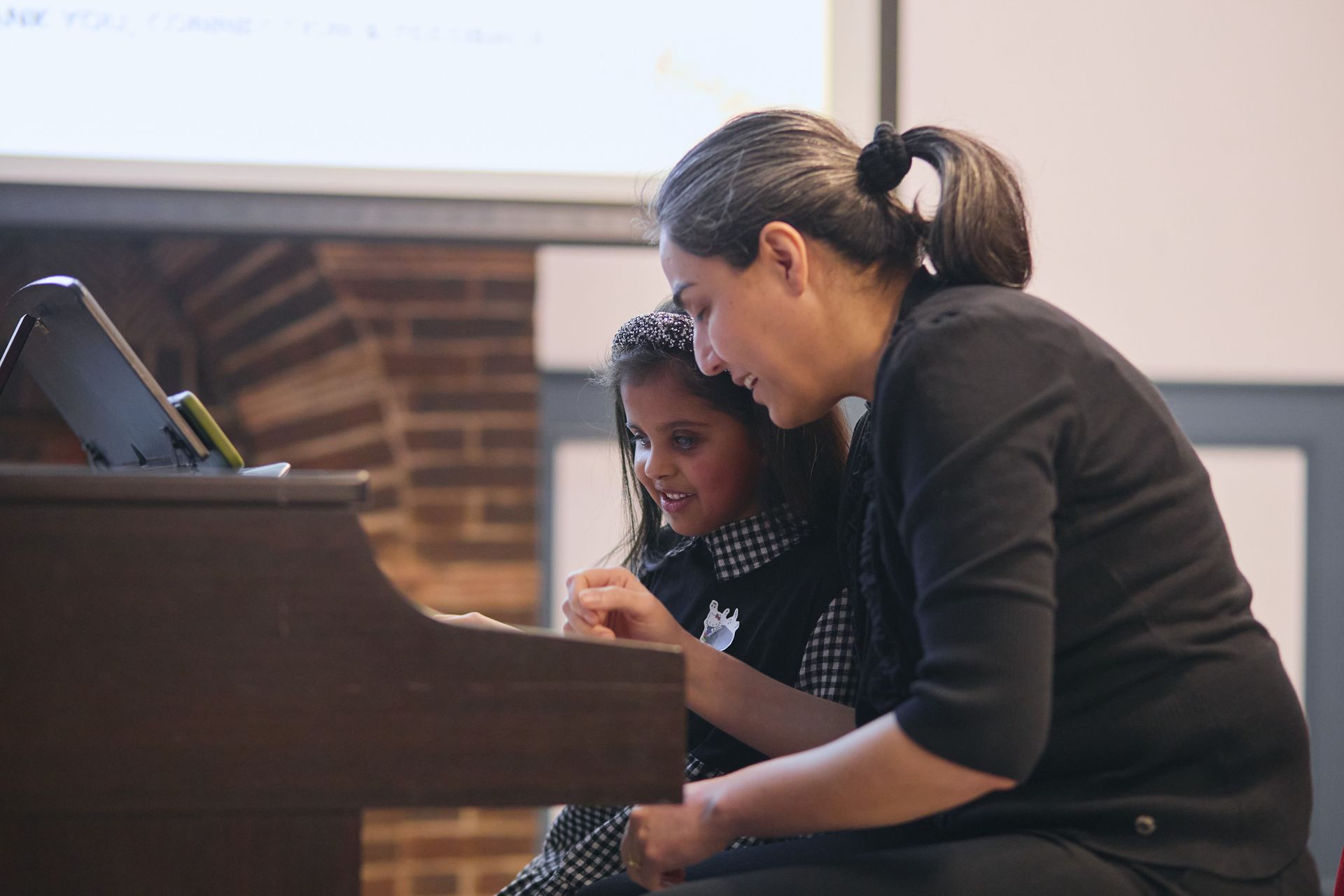
Growing from a solo teacher into a structured school isn’t simply about having more students - it’s about operating in a fundamentally different way. In the early stages, everything often relies on the individual: your time, your memory, your availability, and your ability to manage each situation as it comes. While this can feel flexible, it can also become limiting as demand increases. One of the biggest shifts happens in communication. Instead of being reactive, replying to messages, sending occasional updates, and addressing challenges as they arise, communication becomes proactive and consistent. Students and parents receive clear information, regular reminders, and ongoing feedback as part of a structured process. Importantly, this doesn’t remove the personal element; it allows it to be delivered more reliably, without depending on starting from scratch each time. As structure develops, the role of the teacher also begins to evolve. It moves from doing everything individually to leading a system that supports everything collectively. Decisions become easier because expectations are defined and processes are already in place. Rather than constantly trying to find more time, you begin to create capacity through how things are organised and delivered. Of course, this shift brings its own challenges. Leading others, maintaining standards, and thinking beyond your own teaching requires a different level of responsibility. But many aspects become significantly easier - organisation becomes clearer, communication becomes more efficient, and long-term planning becomes possible. The most important shift is this: you move from being the system to being supported by one, and that changes what growth actually feels like. If you’ve been thinking about teaching music but aren’t sure which next step to take let’s chat about what’s possible: https://www.keysoundsmusic.com/contact

Ask any piano teacher what their biggest challenge is, and most will say the same thing: keeping students engaged long enough to see real progress. Children drop out. Parents lose faith. The enthusiasm of the first lesson fades by Easter. It doesn't have to be this way and we can prove it. Why most piano teaching doesn't stick Traditional piano tuition has a retention problem. A child starts lessons full of excitement, hits the first real challenge around grade 1, and quietly disappears from the register. It's not the teacher's fault, and it's not the child's fault. It's usually a structural problem: lessons that feel disconnected, progress that isn't celebrated, and a child who doesn't yet feel like they belong in music. The solution isn't a better method book. It's a philosophy. The 3 C's: Communication, Confidence and Community At Key Sounds Music, everything we do is built around three principles that we believe are the foundation of genuinely effective music education. Communication means keeping parents informed, involved and enthusiastic not just at the end-of-year show, but throughout the journey. When parents understand what their child is learning and why, they become advocates for the lessons rather than obstacles to the practice. Confidence means designing every lesson so that a child leaves feeling more capable than when they arrived. Progress doesn't have to be dramatic to be meaningful. A child who masters one new thing each week, and knows it, becomes a child who wants to come back. Community means creating an environment where students feel they're part of something, not just having a private lesson in someone's front room, but belonging to a group of young musicians who share their journey. Recitals, group events, shared milestones. It changes everything. What 160+ students tells you These aren't theories. Key Sounds UK in Harrow and Hillingdon was built entirely on this philosophy and it now serves over 160 students with strong, consistent monthly growth. No shortcuts, no gimmicks. Just Communication, Confidence and Community, applied with care week after week. That proof of concept is exactly what we're now making available to piano teachers who want to build something equally meaningful in their own area. You don't have to spend years figuring out what works. We already have What this means if you're a piano teacher If you've been teaching for a while and you know something is missing whether that's structure, support, or simply the feeling that your students are really thriving, the 3 C's framework might be exactly what you've been looking for. Key Sounds Music is currently looking for its first licensed partners outside of Harrow and Hillingdon. We're not rushing. We're looking for the right teachers, people who care deeply about their students and want to be part of something built to last. Feel free to get in touch to find out more about our opportunities!
Independent teaching has real freedom but it can also be surprisingly isolating. A growing number of piano teachers are choosing to work within a supportive network, without giving up that freedom. Here's what's driving the shift. The loneliness problem nobody talks about When you teach independently, you're usually the only adult in the room. There's no team meeting, no colleague to ask when a tricky situation arises, no one to share the small wins with. Over time, that isolation is one of the main reasons talented teachers quietly step back from teaching altogether. A well-run teaching network changes that dynamic entirely. You remain your own boss your students, your hours, your space but you're part of something bigger. What a teaching partnership actually gives you The best networks offer three things that are genuinely hard to build alone: a structured, tested curriculum that gives every lesson a clear purpose; an established brand that parents already recognise and trust; and a community of fellow teachers who understand exactly what you're navigating. Beyond that, look for ongoing mentorship - not just a starter pack and a phone number. Three questions to ask before you join anything What are the benefits of joining this organisation? What ongoing training and support is included? Does the ethos and brand feel like a good fit for me? What makes Key Sounds different Key Sounds Music was built by teachers, for teachers. Our franchisee’s keep full control of their teaching schedule and student relationships but they benefit from a proven programme, a dedicated support team, and a community of like-minded professionals across the country. There's no pressure, no hard sell. Just an honest conversation about whether it's the right fit. If you have any questions please feel free to reach out and we will be happy to help!
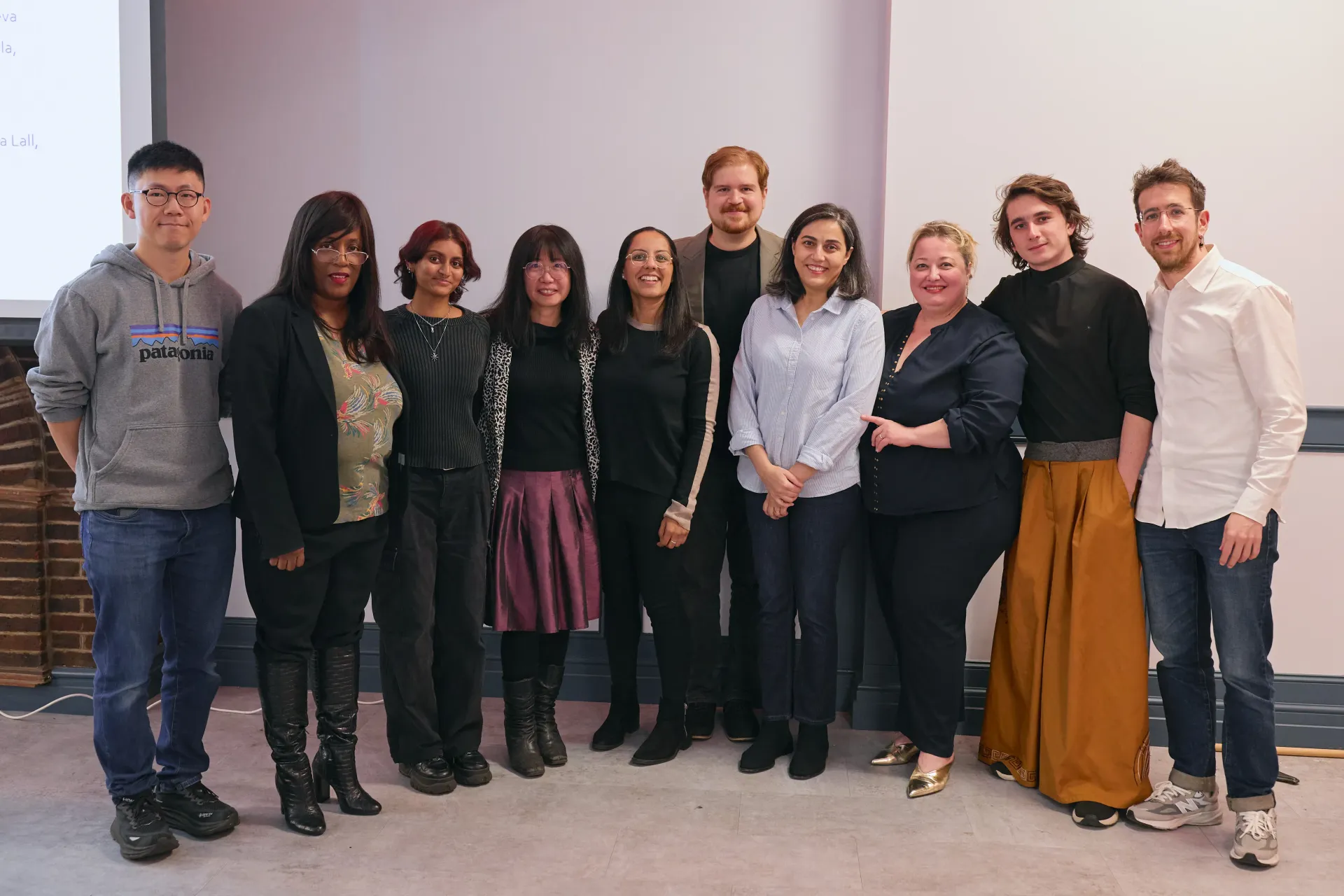
Teaching piano from home sounds ideal. And it can be — but only if the business side is set up properly. Here's what experienced home teachers wish they'd known earlier. Your home is your studio - treat it like one The physical space matters more than most new teachers realise. Parents are trusting you with their children, and first impressions count. A tidy, dedicated teaching space, even a corner of a room, signals that you take your work seriously. A well-placed sign, a simple waiting area, and a consistent routine all contribute to the professional feel that keeps families coming back. Pricing: the mistake that costs you twice Undercharging is the most common error among home teachers. It feels safe at the start, but it creates two problems: it attracts students who don't value the lessons, and it makes your income impossible to grow. Research what qualified teachers in your area charge, position yourself confidently, and be clear about your cancellation policy from day one. A clear, fair structure earns respect — and reduces awkward conversations later. Protecting your time and energy Without boundaries, a home teaching business can quietly take over your home life. Set your teaching hours and stick to them. Use a simple booking system (even a shared calendar works) and batch your admin into one slot per week. Burnout among self-employed teachers is real - and it's almost always caused by poor structure, not too many students. The bit nobody mentions: the business behind the teaching Tax returns, term-time planning, waiting lists, parent communications, pupil progress tracking - it adds up fast. Many talented teachers struggle not because they can't teach, but because running a small business is a genuinely different skill set. This is exactly where a supported teaching partnership changes things. Key Sounds partners don't have to figure it all out alone. From business guidance to ready-made systems, our team supports you at every stage so your energy goes into your students, not your spreadsheets. Feel free to get in touch to find our more about our opportunities!

One of the biggest fears piano teachers have about growing a private piano school business is simple and valid: “What happens to quality?” Many teachers have seen it first-hand. A school grows quickly, more tutors are added, and suddenly the experience becomes inconsistent. Teaching styles vary wildly. Communication slips. Parents feel unsure. Students plateau. So it’s no surprise that many excellent teachers choose to stay small not because they lack ambition, but because they care deeply about standards. The truth, though, is that growth itself isn’t what dilutes quality. What dilutes quality is unplanned growth. Quality doesn’t come from talent alone Great teaching absolutely starts with skill, experience, and musical understanding. But once a school involves more than one teacher, quality can no longer rely on individual brilliance alone. Consistency comes from: Shared expectations Clear progression pathways Ongoing feedback and support A common language around learning and development Without these, even excellent teachers end up delivering very different experiences not because they aren’t capable, but because they’re working in isolation. Systems don’t replace teachers they support them There’s a misconception that systems make teaching rigid or robotic. In reality, well-designed systems do the opposite. They remove guesswork. When teachers know: What progress should look like at each stage How to communicate with parents confidently How concerns are escalated and supported Where to turn for guidance They’re free to focus on what actually matters: the student in front of them. The best systems don’t dictate how to teach every note; they protect the minimum standards that ensure every child receives a high-quality experience. Consistency comes from feedback, not control High-quality schools don’t rely on one-off training or rulebooks. They rely on feedback loops. That means: Regular check-ins Reflective conversations Shared problem-solving Ongoing professional development This isn’t about monitoring or policing. It’s about creating an environment where teachers feel supported, not scrutinised. When teachers grow, students grow too. For more information get in touch, we’d love to hear more from you!
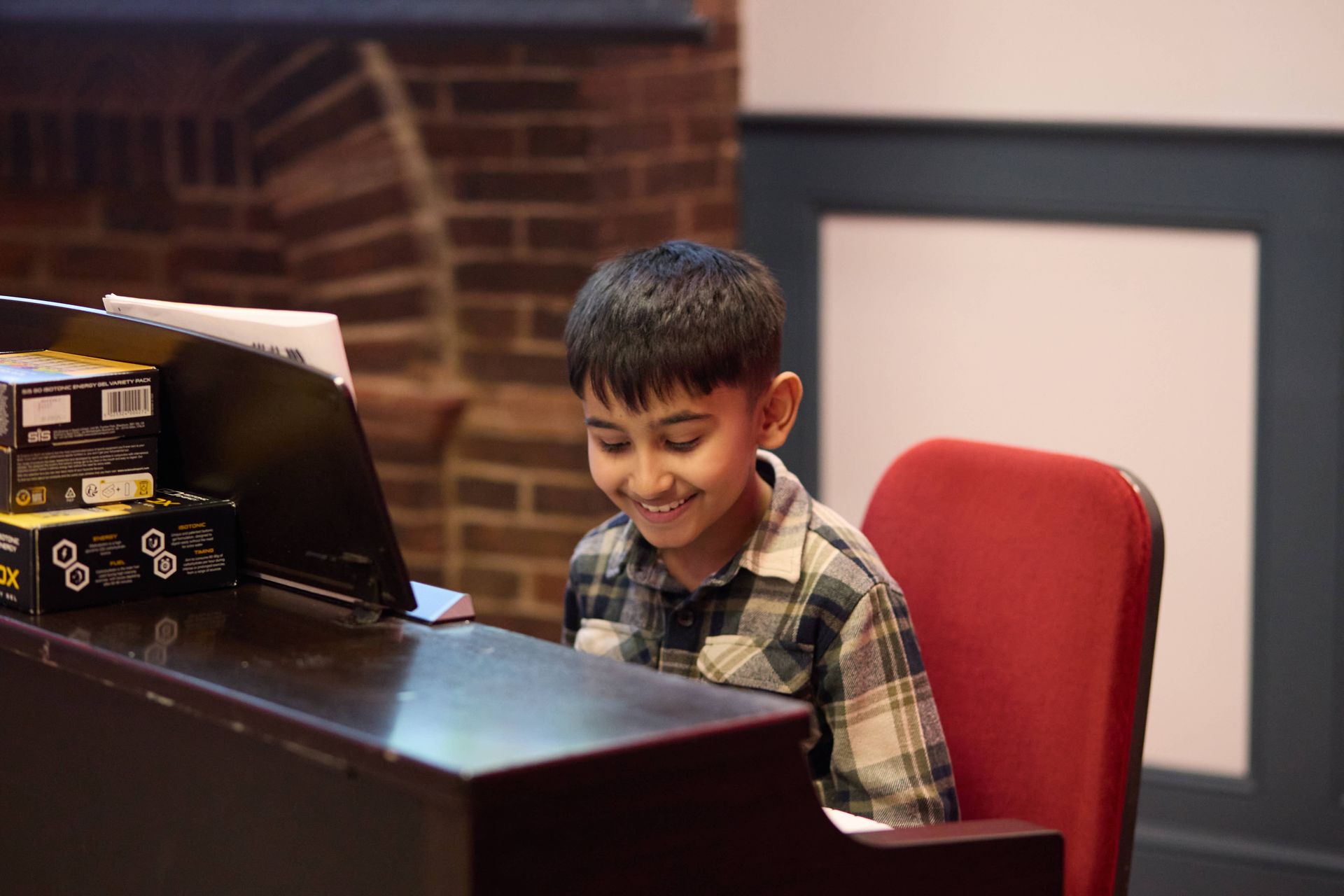
When parents choose a music school, they’re rarely looking for perfection. They’re looking for reassurance. Not just about musical ability but about consistency, care, and long-term support. Trust is built through experience Parents value: Reliable communication Clear expectations Steady progress over time Feeling understood and supported While musical talent is important, it’s the experience around the lessons that often determines whether families stay long term. Consistency creates confidence Children thrive when their learning environment feels predictable and safe. Consistency helps with: Routine and focus Confidence in lessons Clear progression This doesn’t mean every lesson looks the same, it means the quality feels dependable. Why systems matter quietly Systems don’t replace good teaching. They support it. They help ensure: No one is carrying everything alone Standards are shared, not assumed Families receive a consistent experience For parents, this translates into peace of mind. For students, it creates the conditions to enjoy learning and growing. A shared responsibility Strong music education is rarely about one individual doing everything. It’s about creating an environment where teaching, communication, and support work together. When that happens, everyone benefits: Teachers feel supported Students feel secure Parents feel confident in their choice And confidence is what allows learning to last. If you have any questions on this, feel free to reach out - we would love to hear from you!
Many piano teachers are deeply committed to their students. That commitment is often the very reason they continue doing everything themselves long after it’s sustainable. The Loyalty Trap Strong teachers often delay building a team because: They care deeply about quality They don’t want to let families down They worry others won’t teach “their way” This comes from integrity, not hesitation. But over time, carrying everything alone can lead to: Fatigue disguised as dedication Limited capacity for growth Fewer opportunities to expand impact When capability outgrows capacity At a certain point, the challenge isn’t skill, it's structure. Many teachers reach a stage where: Their diary is full Demand is strong Energy is stretched This is often the moment where leadership begins to matter not instead of teaching, but alongside it. Teams don’t dilute values - they extend them With the right systems, training, and support: Teaching values can be shared Quality can be maintained Students can benefit from continuity beyond one individual Building a team isn’t about stepping away from teaching. It’s about ensuring that what you do well can exist beyond your own timetable. Sometimes waiting feels safe. But growth, done thoughtfully, can actually protect what matters most. If you have any questions feel free to reach out!
Many parents form strong bonds with individual teachers and rightly so. A great teacher can transform a child’s confidence, motivation, and long-term relationship with learning. This is especially true in piano education, where consistency and encouragement matter just as much as musical skill. So why do parents often feel more secure enrolling their child in a school rather than with an individual teacher, even when that teacher is excellent? It isn’t about mistrust. It’s about reassurance. Parents think long-term Parents rarely think in terms of single lessons. They think in terms of years. They quietly ask themselves questions like: What happens if the teacher is ill? What if schedules change? Who do I speak to if I’m worried about progress or exam readiness, such as ABRSM? Will my child still be supported next year or when syllabuses and expectations change, including new music 2025 - 2026 updates? A school answers these questions automatically even when the teacher delivering the lessons is exceptional. This long-term thinking is one reason many families gravitate towards what they perceive as a private school piano experience: something structured, dependable, and designed to support progression over time. Structure creates safety Schools naturally signal stability through: Clearer communication channels Safeguarding processes Continuity of learning Accountability beyond one person For parents especially those who aren’t musical themselves this structure feels reassuring. It helps them trust that their child’s learning isn’t dependent on circumstances or availability. It’s not that they doubt the teacher. It’s that systems reduce uncertainty. Parents value consistency more than personality Warmth and connection matter deeply to parents. But alongside that, they want confidence that: Expectations are clear Progress is monitored Exam pathways like ABRSM are understood and supported New music and syllabus changes are introduced thoughtfully Support doesn’t disappear suddenly A school provides a framework where teaching quality and curriculum awareness requirements remain consistent, regardless of changes behind the scenes. Trust is built through predictability Predictability is often mistaken for rigidity, but for parents it’s comforting. Regular updates. Clear policies. Familiar routines. A sense that someone is overseeing the bigger picture, not just the next lesson. Over time, these elements build trust quietly and steadily. And when parents trust the structure, they relax. When they relax, children feel safer, more confident, and more able to thrive musically and emotionally. If you have any questions please feel free to reach out.